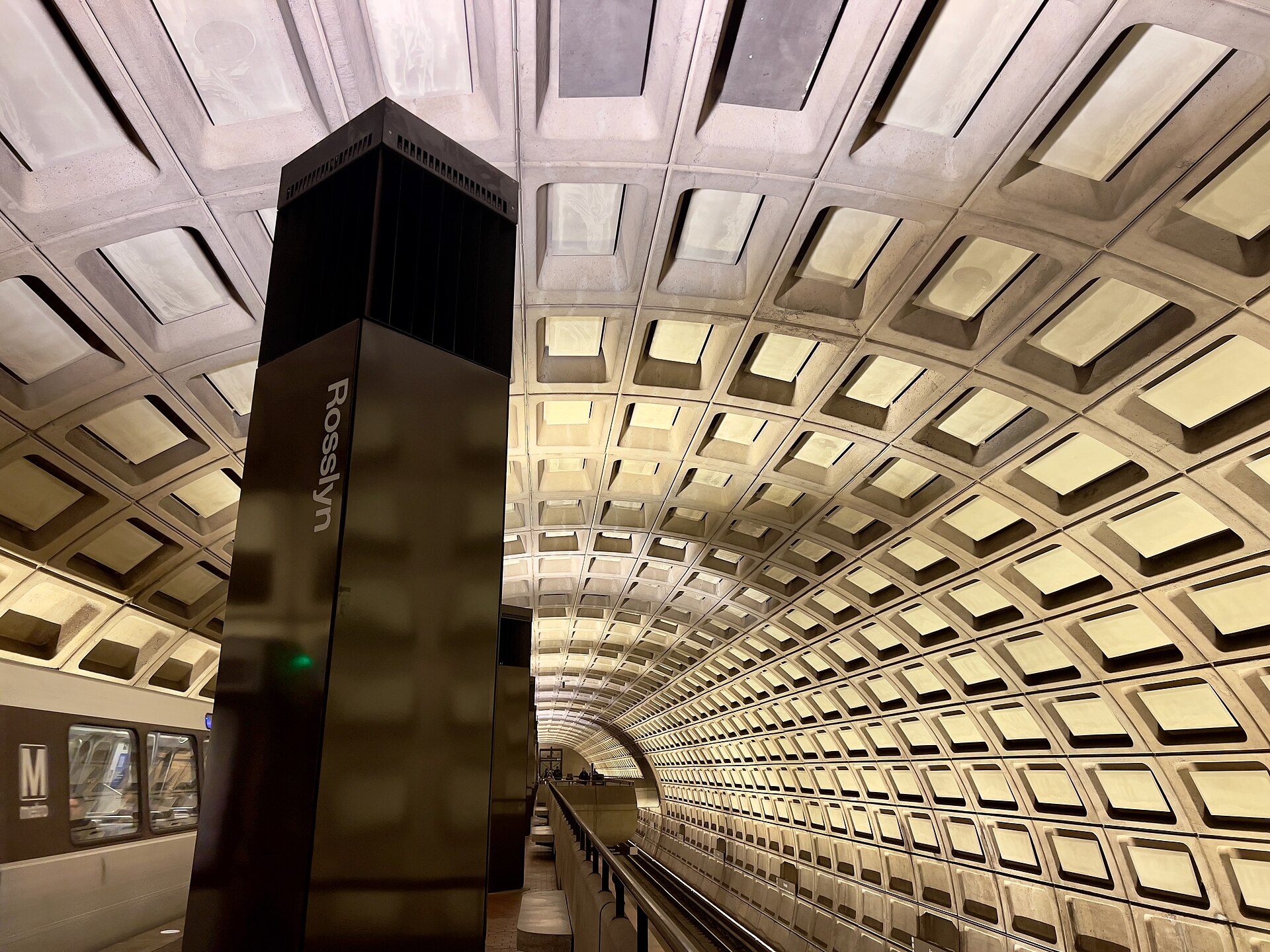
Key Bridge, the Parkway and the Rosslyn Choke Point: Anatomy of an Arlington Crossing
Six lanes into Georgetown, a scenic parkway along the river, and one of the region's oldest traffic arguments. How Arlington's northern crossings actually work.
Every Arlington commute into the city funnels through a handful of Potomac crossings, and the northernmost pair — Key Bridge into Georgetown and the George Washington Memorial Parkway along the river — carry a load that has not fit since about 1965.
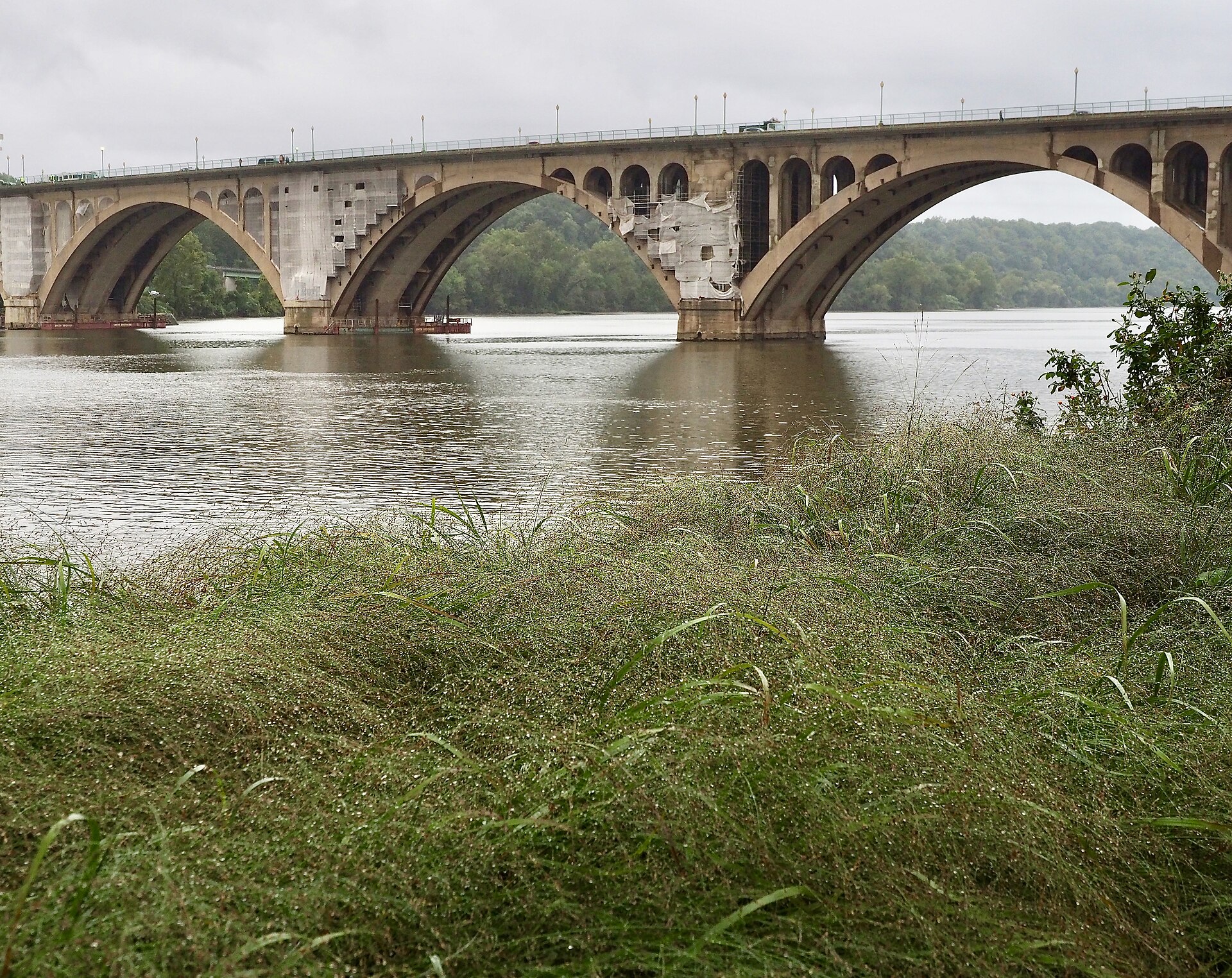
Key Bridge, opened in 1923 and named for Francis Scott Key, whose Georgetown home stood near its end, lands in Rosslyn at one of the most compressed interchanges in the region: bridge traffic, the Key Bridge Marriott corner, Rosslyn's towers, and the on-ramps for I-66 and the parkway all negotiating the same few acres. It works the way old cities work — barely, and by habit.
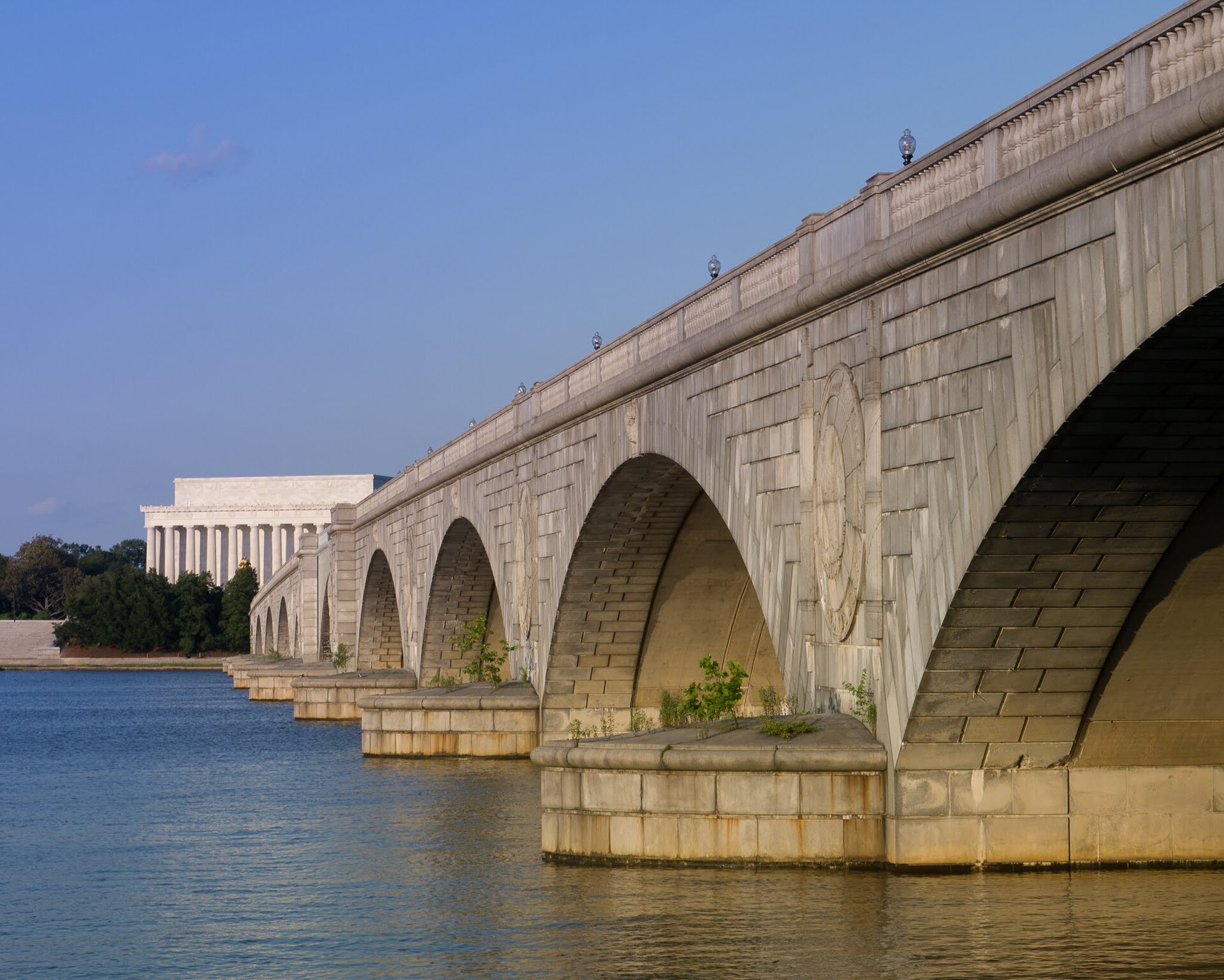
The parkway is the other bargain: a National Park Service road, trucks banned, scenery guaranteed, and interchanges — Memorial Bridge toward the National Mall, the airport exits, the Glebe Road and Chain Bridge connections — that reward drivers who know them and punish the GPS-faithful at the Spout Run and I-66 splits.
VDOT and DDOT counts make the obvious official: these crossings run at or over capacity at peak, and an incident on any one of them reroutes pain to all the others. The commuter's defense is the region's oldest: leave earlier than the bridge deserves, know your second crossing as well as your first, and treat a clear run over Key Bridge on a November morning — Georgetown lit across the water — as the gift it is.