Columbia Pike: Arlington's Oldest Road Is Still Its Most Honest One
The Pike predates the county, the Pentagon and the streetcar suburbs. Today it is Arlington's most diverse corridor — and the front line of its argument about growth.
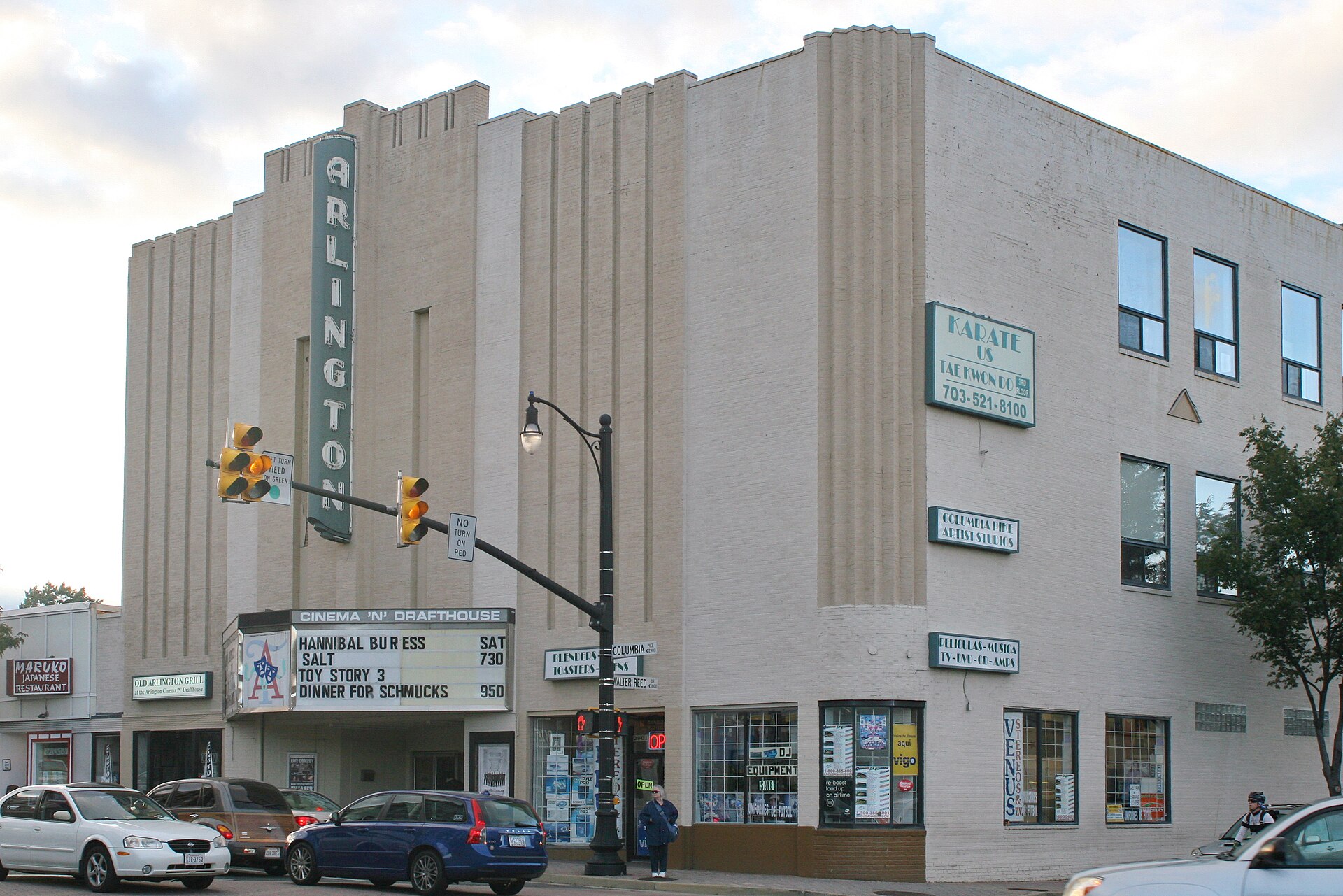
Columbia Pike was a toll road before it was a street — chartered in 1810 to carry farm wagons from the Virginia interior to the Alexandria waterfront, which makes it older than Arlington County itself. The modern Pike, running from the Pentagon to the Fairfax line, carries the county's whole story in four miles: garden apartments and high-rises, Ethiopian and Salvadoran and Vietnamese storefronts, some of the region's best cheap eats, and its most persistent questions about affordability.
The corridor grew up around streetcars and then buses, and it remains the county's transit workhorse on rubber tires — among the busiest bus corridors in Virginia, with the Pike's transit improvements (better stations, signal priority, dedicated elements) arriving in pieces over years of construction that residents can recite from memory.
Its form-based code, adopted to guide redevelopment while protecting the corridor's character, has made Columbia Pike a case study watched by planners elsewhere: how to add density and investment along a commercial strip without erasing the small businesses and affordable apartments that made it worth investing in. The record is mixed and the argument continues — which is itself the most Columbia Pike thing possible.
Walk it in November and the Pike makes its own case: bakeries and pho shops doing a brisk trade, the farmers market's fall season, buses loading at every corner. Arlington's glossiest districts are elsewhere. Its most essential one is right here, running downhill toward the river it was built to reach.